"What Makes You Not a Buddhist", Dzongsar Khyentse Rinpoche
- 8 Feb 2026
- 3 min read
"Since time immemorial we have been hooked on the ego. It is the way we identify ourselves. It is what we love most fervently. Sometimes it is also what we hate most. Its existence is also what we work hardest to prove. Almost everything we think or have, including our spiritual path, is a method for confirming its existence. It is the self that fears failure and longs for success; it fears hell and yearns for heaven. The ego despises suffering and loves the causes of suffering. Foolishly, it promotes war in the name of peace. It desires enlightenment but detests the path to enlightenment. It wants to work like a socialist but lives like a capitalist. When the self feels lonely, it desires friendship. Its possessiveness over those it loves reveals a passion that can lead it to hostility. Its supposed enemies, such as the spiritual paths designed to conquer the ego, are often corrupted and recruited as allies by the ego itself. Its skill at playing the game of deception is almost perfect. Like a silkworm, it weaves a cocoon around itself; but, unlike the silkworm, it does not know how to find the way to escape".
The passage we reproduce has been translated by us from What makes you not a buddhist (in Spanish it can be found published by Kairós as Tú también puedes ser budista), a highly recommended book by Dzongsar Khyentse Rinpoché.
About the author:
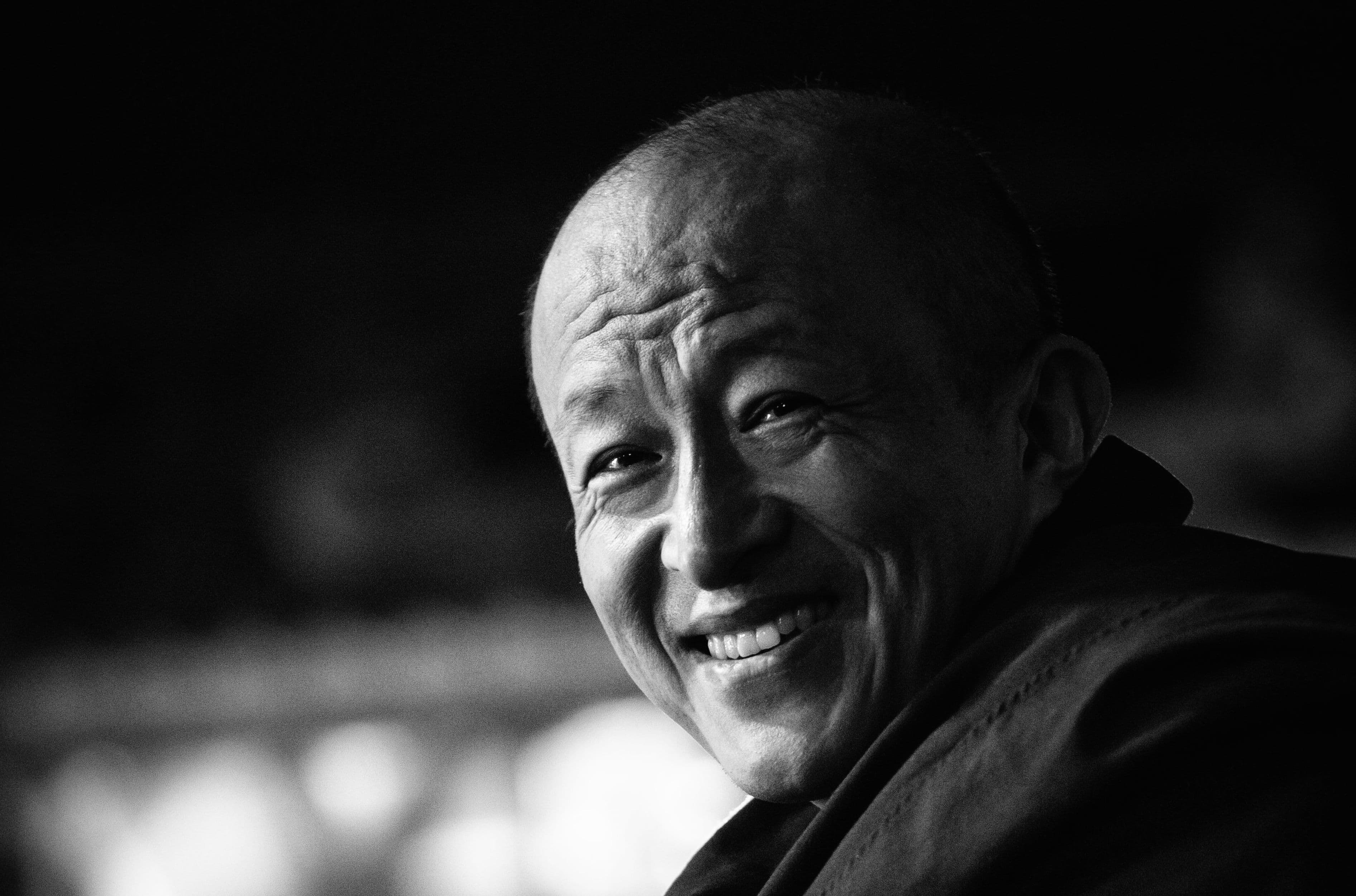
Dzongsar Khyentse Rinpoché was born in Bhutan in 1961. Recognised as a tulku by His Holiness Sakya Trizin and His Holiness the Dalai Lama, he has been a disciple of most of the most notable vajrayana masters of the 20th century, among them those already mentioned, as well as S.S. Dudjom Rinpoche, Dilgo Khyentse Rinpoche, Chatral Rinpoche, etc.
He has launched numerous initiatives, of which we highlight Khyentse Foundation, which funds scholars, students, teachers and alternative projects focused on Buddhism; the ambitious and essential 84,000 project, which aims to translate the whole body of the Buddha's teachings into modern languages; and Lotus Outreach, which is oriented towards social aid, with projects to help refugees and particularly women and children at risk.
We have not yet had the opportunity to meet him, but we follow his work and we love the way he explains the Dharma and makes it accessible without abandoning in the slightest the essence of the teachings. We are very happy that there are teachers like him, and we hope to meet him soon on our path!
You can find more information about him and his projects HERE.