The "eight worldly dharmas"
- 22 Nov 2025
- 12 min read
The "eight mundane dharmas" or the "eight worldly concerns" are explained in Buddhism as a compendium of pairs that drive our existence and govern us when there is no spiritual maturity.
What the mundane dharmas are
To understand what they are, how they operate and where the eight mundane dharmas come from, all the teachers start by pointing to the basic cognitive error in how we perceive reality: a mistaken interpretation of what things really are, which begins and takes concrete form in the identification of the self. The self as a set of aggregates, experiences, tendencies, habits and projections that solidify into a solid, unique, special and insatiable entity.
The eight mundane dharmas and the illusion of the self
Understanding, seeing and believing in the reality of the self is something that makes us suffer. We are imposing a dual scheme that distances us from how things really are. It distances us because the very solidification of the self entails an error in the system: the filter we apply from the self (the observer) is already dual, and we lose sight of the interdependence of elements, the relation of cause and effect, and the empty nature of each of them. We treat elements as independent and permanent, and we perceive them as inherent through our fixations. When we see reality from this perspective, we suffer, because we are not living in accordance with what is.
From this correlation of errors, Dzongsar Khyentse Rinpoche points out that failing to assimilate reality makes us suffer, since we do not have control over phenomena. Trying to dominate and subdue an illusory reality in order to make it stable and manageable is entirely futile. And, to add further suffering, so as not to have to deal with this instability, we speculate and project how things have been, how they are and how they will be, as well as fixing them through conceptualisation.
This speculation is based on a criterion rooted in the ego, in its defence and overprotection. Quoting Khyentse Rinpoche: the self is the one that fears failure and longs for success, the one that flees from hell and desires heaven. What I believe Rinpoche is pointing to in this passage is the polarity we are induced into: the hope of being happy and the fear of not being so, the hope of how we want things to be and the fear that, in the end, they will not be as we expected. This binomial constantly leaves us dazed and confused and makes us live in a false stability.
The relationship between hope, fear and suffering
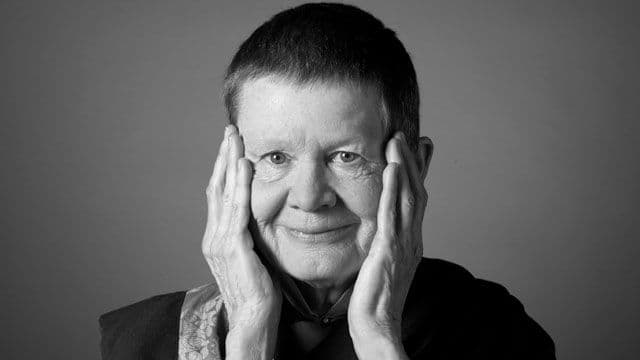
On the relationship between hope and fear, Pema Chödron links the eight mundane dharmas to a fuel that keeps feeding hope and fear and the whole solid system of the self. These four pairs of opposites protect and defend the dualistic and independent view of the system. The eight mundane dharmas are pleasure and pain, loss and gain, fame and disrepute, praise and blame. They are divided between those that we cling to because we like them, and those that we reject and avoid because we do not like them.
What the eight mundane dharmas are
- Gain and loss
- Praise (approval) and criticism (disapproval)
- Fame and bad reputation
- Pleasant experiences and painful experiences
How do the eight worldly dharmas affect our lives?
Paraphrasing Pema Chödron, it is our interpretation of what happens that awakens the different emotional states with which we identify: it is neither things nor circumstances, since nothing is inherently good or bad. What connects us to these emotional reactions is our dual discernment regarding reality. We believe ourselves happy or unhappy depending on whether what happens matches our insatiable self. But our self will always be insatiable, because it seeks to feed a self that does not exist within an illusory reality that does not exist either.
The ego, the system and the search for recognition
In the teachings, Lama Norbu has emphasised not only targeting the ego of each individual as the protector of the self, but also pointing to the socioeconomic system as an instrument that protects the ego. A system that values and exalts fame, gain, pleasure and praise. If we understand that the system we live in is founded on a basic egocentrism, we will understand the need not to want to play its game.
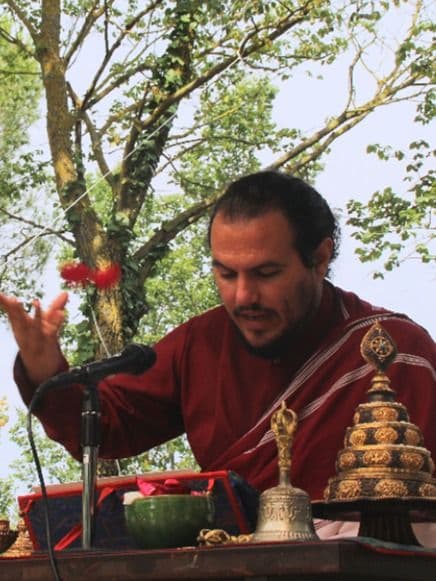
Quoting Lama Norbu, "we have to try to subvert the proposal"; that is, Lama Norbu suggests that we should not depend on the eight mundane dharmas, because if we do, we will in the same way be depending on the system, which will keep us bound hand and foot to the cycle of dissatisfaction. We will live in constant contradiction: if we practise in order not to be puppets of the eight mundane dharmas but, at the same time, feel the impulse to keep fitting into the standards of the system, we will be frustrated. This contradiction, says Lama Norbu, arises because we have not cultivated enough renunciation towards our ego and have not yet put an end to hope.
How to recognise the eight mundane dharmas
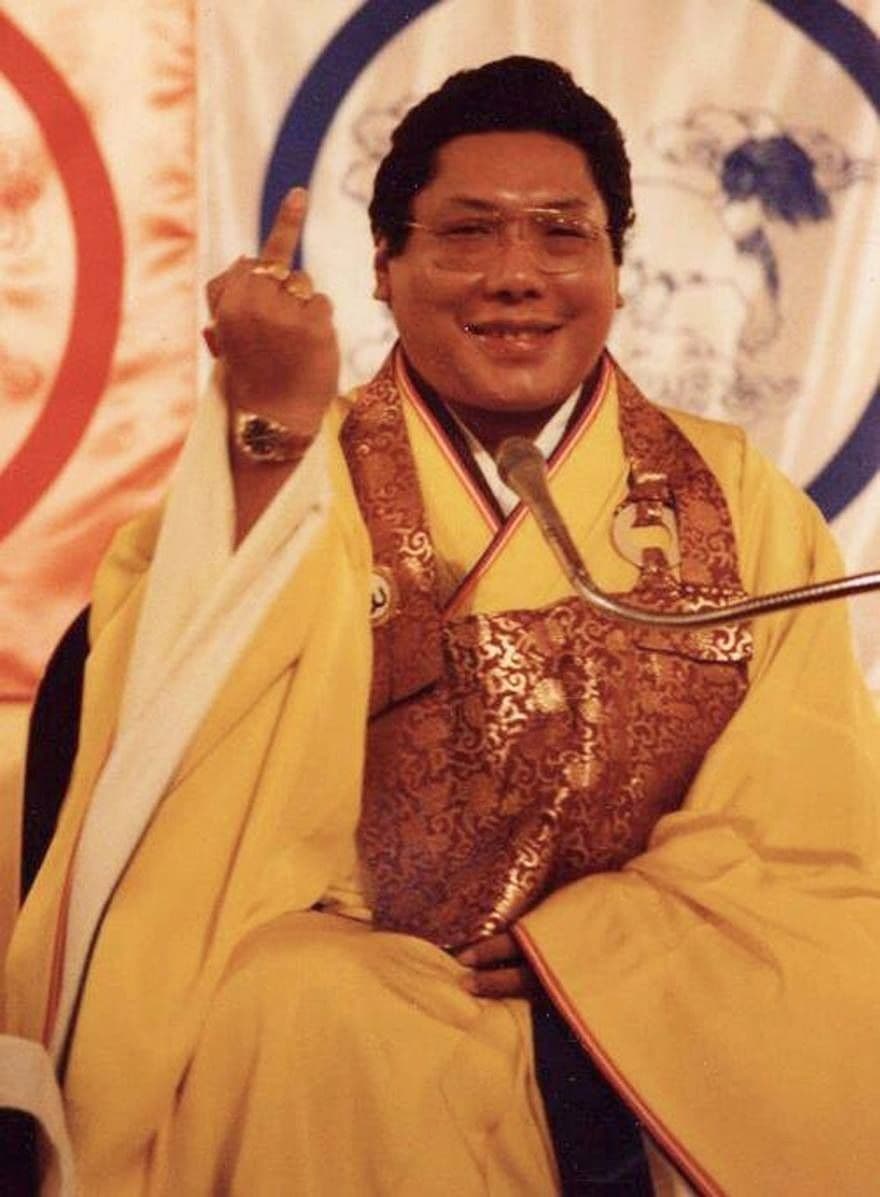
Following now Chögyam Trungpa: "our relationship with emotions ceases to be a drama; emotions are as they are, we neither repress them nor give them free rein, but simply recognise them, and we open ourselves to the complex totality of situations", we can see a certain parallel with an idea also put forward by Pema Chödron, his disciple. The point is not to eliminate the eight mundane dharmas, but to recognise them and know how they develop, to analyse them and see how and in what ways they affect us. The teachers point out that if we develop the quality of sustaining and recognising how they arise and what effects they have on us, we will be better able to understand others and will develop a more compassionate outlook.
For example, the desire to be a certain way, or the rejection of being that way, will condition the view we have at any given moment. Pema Chödron gives the example of someone saying to us: "you're an old man". If that is an object of desire, one will feel good; if it is rejected, one will feel bad. It is our relationship with things that shapes how we will be.
How to overcome the eight worldly dharmas
When we find ourselves immersed and our actions are guided by the eight worldly dharmas, the masters point to bodhichitta as the axis of altruism, to take our ego out of the centre and benefit others with the most generous motivation: that they may become enlightened. Lama Norbu notes that at such moments, thinking and deciding our actions with regard to what would benefit others most will in itself be a tool for softening our egocentrism.
The solution to the eight worldly dharmas lies in breaking them down, as Pema Chödron says, so that we are not swept along by their strength. Seeing where they come from and how they develop will help us: seeing that, at first, they bloom as a harmless energy, but that after a certain time they become something solid and destructive that we do not control. Observing them in this way, as a phenomenon that responds to certain causes, conditions and rhythms, will strip them of the credibility we give them. We need to be attentive to the process and not react, not try to hold on to the situation, so that we no longer believe so much in the narrative of the ego and the eight worldly dharmas. And understand that, if we realise emptiness, these will cease to operate, since at that point we will no longer live from the illusory perception of a self and others.
Aspiring to go beyond approval and rejection
Dzongsar Khyentse Rinpoche, in Entrance To The Great Perfection: A Guide To The Dzogchen Preliminary Practices, sets out the following on how to relate to the worldly dharmas:
"We should really have this aspiration. We should pray that one day we will reach a stage where we have enough courage to become that kind of eccentric person. For now, we can only afford to be a bit unconventional. A little madness is fine. It is a kind of character-building activity. But we are very afraid of going further! We would be marginalised.
So we should pray that one day we will truly go mad. Not in the sense of becoming a madman from an asylum; rather, the madness I am referring to means going beyond the eight worldly dharmas. That we truly do not care whether we are being criticised or praised: that is a tremendous madness. From a worldly point of view, whenever you are praised, you are supposed to be happy; when you are criticised, you are supposed to be unhappy. Yet sublime beings are not moved by this kind of thing: that is why we think they are mad. This is what we should aspire to.
Don't do it now, it will backfire on you! Just aspire. If you tried to do it now, you would not only fail in your practice, but you would also upset others. So continue to behave in the way any decent human would wish. But at the same time, let this alarm keep ringing continuously in your head: "all of this is useless".
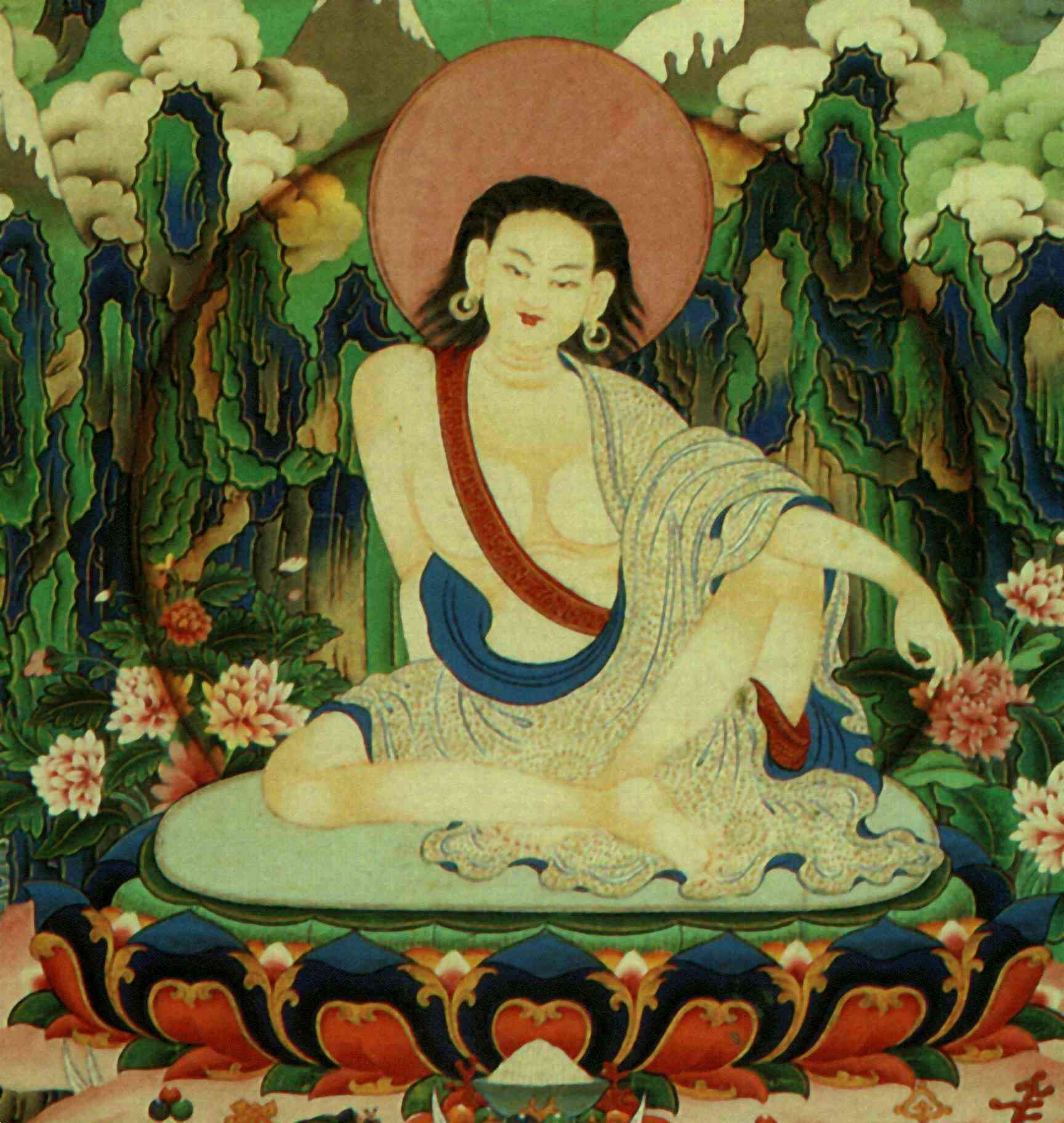
From this passage by Khyentse Rinpoche, we can draw the master's invitation to break with our personas and step out of the shell of comfort, aspiring not to be guided by the worldly dharmas. As long as we do not achieve this, we should at least aspire to put our self at risk, to test the waters and have the courage to expose ourselves to criticism or rejection, in order to observe how it affects us and where it comes from: in this way, we can know how attached we are to our self. Khyentse Rinpoche would probably insist that ordinary people should simply try this exercise, and should not put it into practice in a radical way, so that we can see how we cope when we expose ourselves, because putting our identity at risk in a very forceful way can lead to a great deal of suffering.
The importance of the sangha, the teacher and motivation
In short, perceiving how the worldly dharmas sway our emotional states, knowing how to hold these moments and not react, will allow us to see the basic insecurity that Trungpa Rinpoche speaks of. From that clarity we will be able to see the cycle of dissatisfaction of the internal and external system, and so we will be able to cultivate a loss of interest in our neurosis and in the worldly dharmas.
To undertake all this work of spiritual development, it will be necessary to surround ourselves with people who understand how our neurosis works and who help us not to feed it: this is the sangha, which understands the dysfunction of our neurotic system and commits to not reinforcing the habits that defend the identity of the self. Of course, the guidance of a teacher will be essential, since their accompaniment will help us uncover the tricks of our judgement, so deeply rooted in the eight worldly dharmas.
Finally, as Chogye Trichen Rinpoche says: "if you meditate motivated by worldly purposes, your mind will do nothing but wander, running here and there every time you are alone". Motivation will be key when facing not only our everyday activities but also spiritual practice: we should examine our motivation on the meditation cushion to avoid it being grounded in the worldly dharmas. Only in this way can we keep advancing on the path, with the best guarantee: the one that comes when we do not trust in any worldly credentials.
Meditation as a practice for recognising the worldly dharmas
Meditation is a fundamental tool for beginning to recognise how the eight worldly dharmas operate in our everyday experience. As we sit down to observe the mind, we can see more clearly how we seek praise, pleasure, gain or a good reputation, and how we reject criticism, loss, pain or disrepute. The point is not to judge these reactions, but to learn to see them without being carried away by them.
In this sense, meditation practice helps us create a space between what happens and our habitual response. Little by little, we can discover the mechanisms of hope and fear that sustain our relationship with the self, and cultivate a more lucid, stable and compassionate way of relating to reality.
To go deeper into this work, the Casa Virupa meditation course offers progressive guidance in practice, helping us understand the mind and develop a more conscious relationship with our emotions, habits and patterns of suffering.
Frequently asked questions about the eight worldly dharmas
What are the eight worldly dharmas?
The eight worldly dharmas are four pairs of experiences that condition our life when we relate to reality from attachment to the self. They are gain and loss, praise and criticism, fame and disrepute, and pleasant and painful experiences. According to the article, these pairs feed our dualistic view of reality and make us dependent on what we want to obtain or avoid.
Why do they cause suffering?
They cause suffering because they reinforce identification with a solid, permanent and insatiable self. When we interpret reality from that self, we constantly seek what confirms, pleases or benefits us, and reject what threatens our image, comfort or security. This dynamic keeps us trapped between hope and fear, trying to control a reality that is changing, interdependent and empty of inherent existence.
How do we overcome the eight worldly dharmas?
The article proposes overcoming them by learning to recognise how they arise and how they condition our reactions. It is not a matter of repressing them or forcibly eliminating them, but of observing them without being carried away by them. The practice of meditation, bodhichitta, renunciation of egocentrism, the guidance of a teacher and the support of the sangha help to weaken the force of these patterns and to cultivate a more lucid, compassionate and free relationship with experience.
***
This work on the eight worldly dharmas is drawn from extracts of the teachings of Chögyam Trungpa Rinpoche, collected in the Myth of Freedom, as well as fragments of teachings by Dzongsar Khyentse Rinpoche, chapter 8 of the book When Things Fall Apart by Pema Chödrön, Chogye Trichen Rinpoche in Separating from the Four Attachments, and the many teachings of Lama Norbu over the years of the Casa Virupa meditation course.