

Basic goodness: a philosophical retreat on buddha nature
- 4–8 Dec 2026
- 4 nights · 5 days
- 14/36 spots available
What it involves
We will spend five days exploring one of the fundamental teachings of Mahayana Buddhism: buddha nature, also described as our basic goodness or our potential for awakening.
It is a hard idea to believe: an unshakeable confidence that all beings, without exception, have the capacity to awaken. From this perspective, the confusion, habits and emotions that make us suffer do not ultimately define who we are. They are obscurations that can be recognised and cleared away.
In Praise of the Dharmadhatu
To enter this question we will start from a little-known source that is rarely taught in this context: In Praise of the Dharmadhatu (Dharmadhatustava), a beautiful work attributed to Nagarjuna.
The text belongs to the collection of hymns attributed to him, alongside his central treatises on emptiness. While those treatises examine the absence of inherent existence in all phenomena, In Praise of the Dharmadhatu dwells on the same reality from another angle: not on what mind and phenomena are not, but on the luminous, awake quality that makes them up. That is why, over time, it became a reference for the lineages that integrate sutra and tantra: it is one of the textual bridges between the philosophy of emptiness and the Vajrayana teachings on the nature of mind.
Buddha nature according to the Vajrayana
The Vajrayana does not describe buddha nature as a future possibility that is built up little by little. It presents it as something already complete, present in this very moment, obscured but not damaged by passing confusion. The images these texts use —buried gold, a lamp burning inside a vase, a sky covered with clouds— point to the same thing: what we are looking for does not have to be manufactured, only recognised where it already is.
This way of understanding buddha nature underpins much of tantric practice, which does not work to produce a new awakening, but to relate directly to what is already pure in our own experience. Over these five days we will read In Praise of the Dharmadhatu together with the Mahayana teachings on buddha nature, to see how a single question —what are we, beyond confusion?— is answered from two different and complementary angles.
Objectives
- Study Nagarjuna’s In Praise of the Dharmadhatu as a textual bridge between the philosophy of emptiness and the Vajrayana teachings on buddha nature.
- Distinguish how buddha nature is articulated in the Mahayana and Vajrayana traditions, and what that distinction means for practice.
- Take study into meditation and contemplation, to examine in our own experience in what sense confusion is a passing obscuration and not the ultimate nature of mind.
Why go on a philosophical retreat
Retreating to go deeper
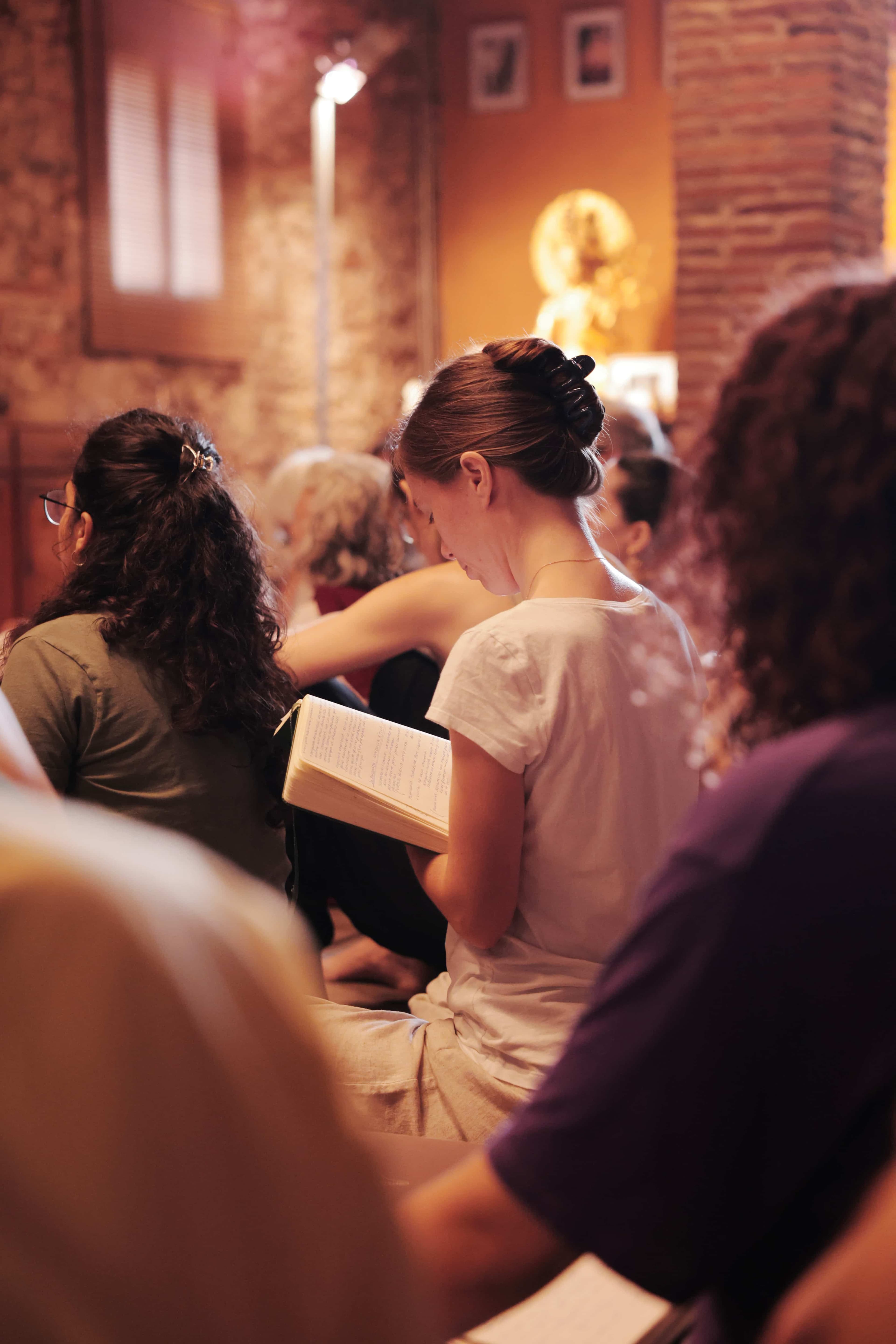
A retreat is an opportunity to stop the usual pace and devote time exclusively to practice and reflection. Stepping away from daily distractions, the mind gains space to settle, to see more clearly and to go deeper into what really matters.
What it involves
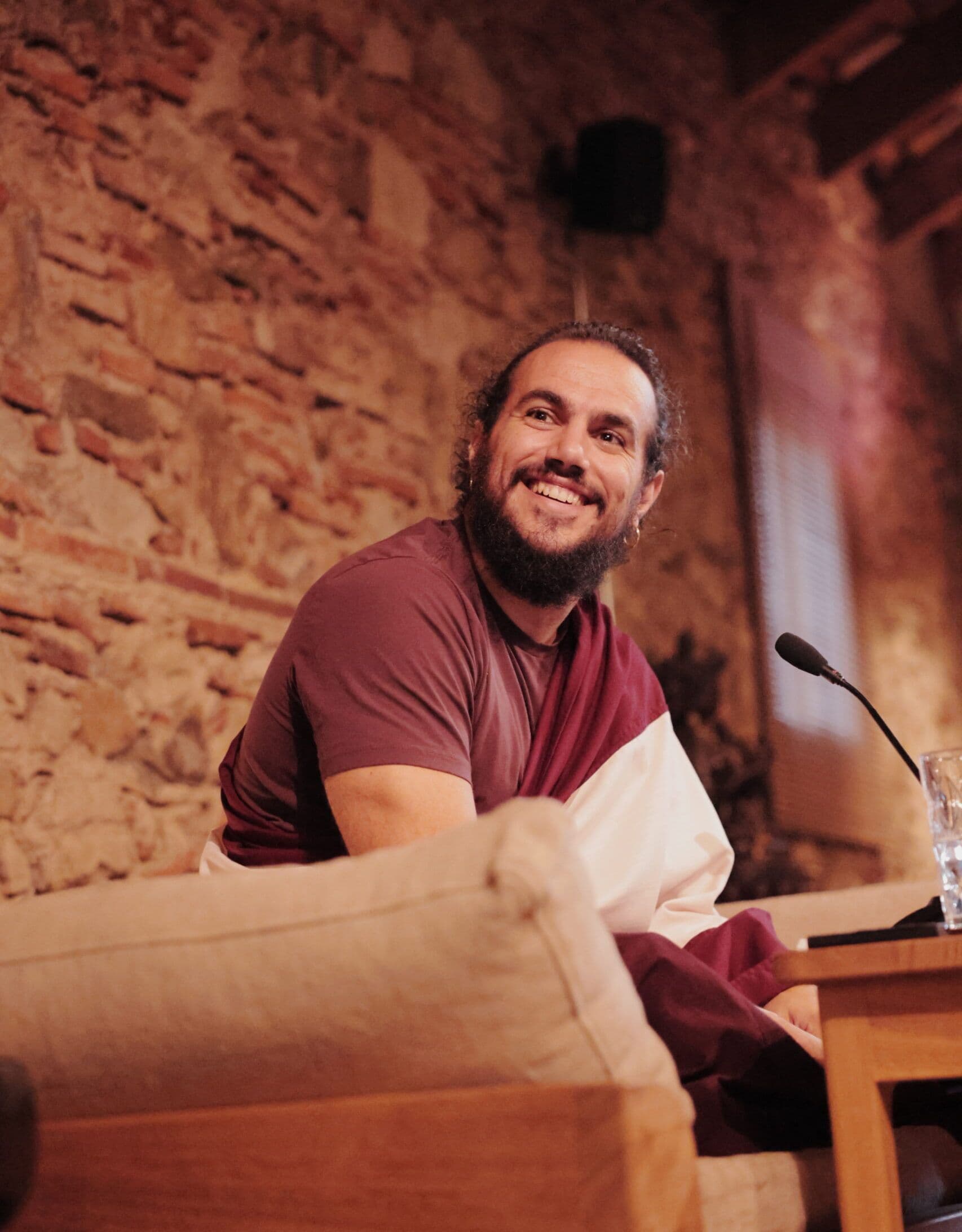
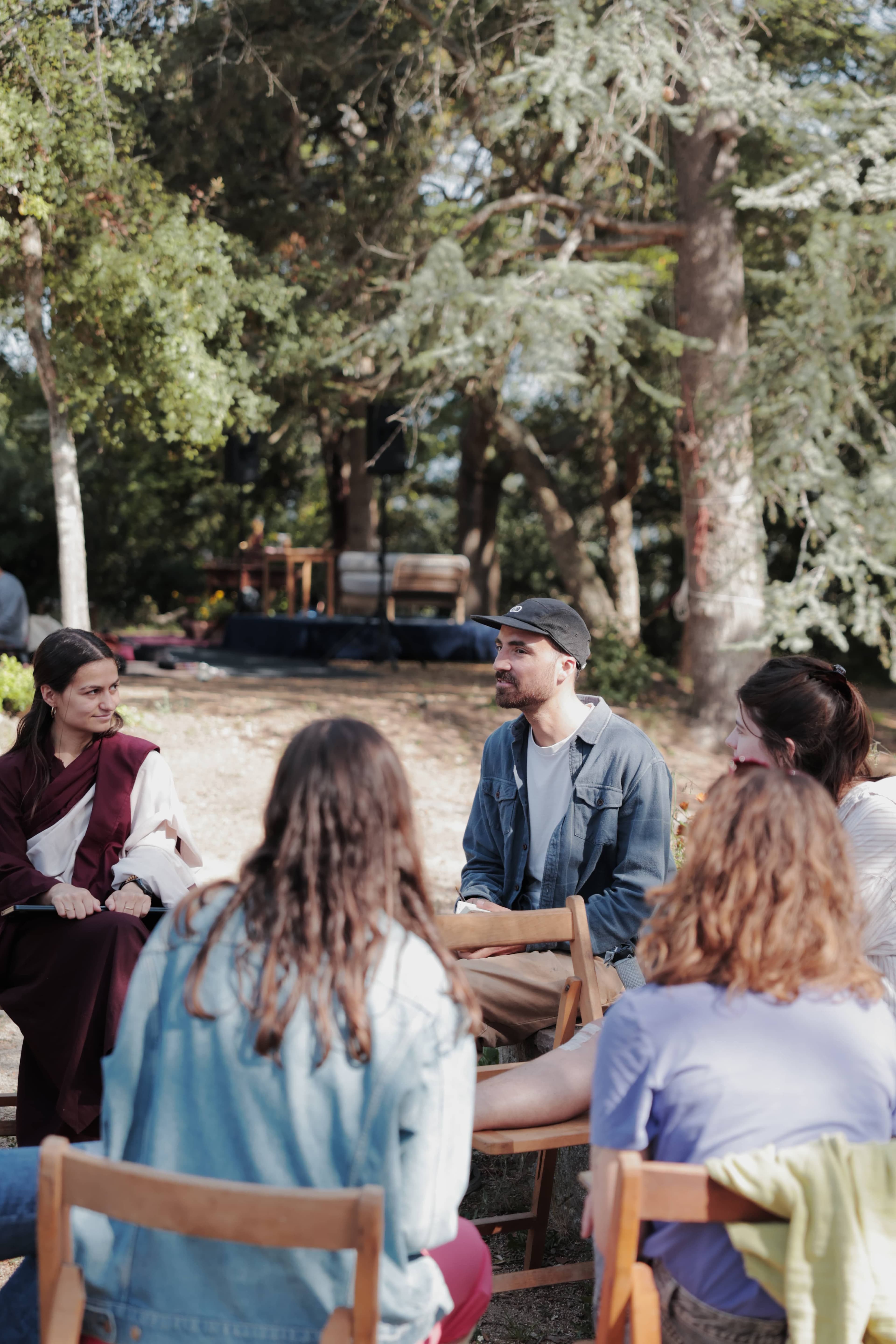
This retreat combines teachings by Arne Schelling and Lama Norbu based on Nagarjuna’s text. It offers a careful rhythm that alternates teaching, formal practice, time for personal assimilation and space to resolve questions, creating favourable conditions for cultivating wisdom.
- Sustained exposure to the teachings: five continuous days allow the teachings to be received progressively, something a one-off session cannot offer.
- Cultivating wisdom: immersion in practice offers a space to explore wisdom in a sustained way and gradually bring it into the way we relate to the world.
- A community of study: studying and meditating alongside others who hold the same question provides a context that strengthens one’s own understanding.
- Direct contact with the text: working on In Praise of the Dharmadhatu gives access to an original source, not a simplified version, and turns the reading itself into part of the practice.
“Because everything is emptiness, everything is possible.” — Nagarjuna
Teachers
Resident teacher
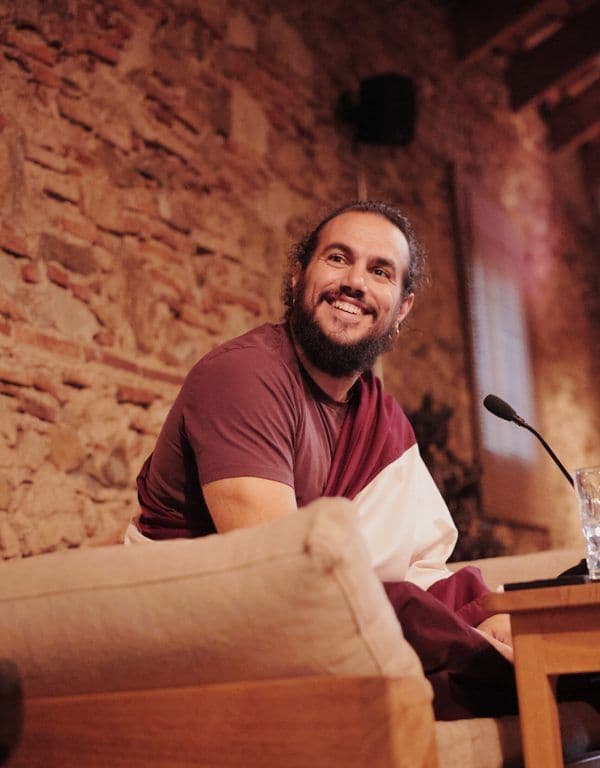
Lama Ngawang Norbu
Lama Norbu is a teacher of Vajrayana Buddhism with wide experience in guiding retreats, study groups and meditation practice. Trained in a living lineage of transmission, he combines the depth of the traditional teachings with a warm and clear approach, helping wisdom and compassion find practical expression in daily life. He was named “lama” by His Holiness Gongma Trichen Rinpoche in 2020.

Dharma instructor
Arne Schelling
Arne Schelling has been a Buddhist since his teens and works as a dharma instructor, editor and translator in sanghas of the different Tibetan Buddhist traditions. He is an instructor at Siddhartha's Intent and a teacher at the Nitartha Institute, and collaborates with projects such as the Khyentse Vision Project and 84000: Translating the Words of the Buddha. He has taught on buddha nature and the Mahayana Uttaratantra Shastra, and has already given a course on Madhyamaka at Casa Virupa.
Who it is for
People with an established Buddhist practice who want to explore buddha nature beyond the usual introduction.
People familiar with the Mahayana teachings on emptiness who want to see how they connect with the Vajrayana view.
People who want to combine textual study with meditation and contemplation, rather than only one of the two.
Gallery
Book your spot here
Frequently asked questions
What are the requirements?Show answer
Previous experience of Buddhist philosophy is required.
What is the food like?Show answer
We serve a vegan menu made with local produce.
We can cater for people with a gluten allergy or intolerance, but you must let us know through the registration form, saying whether it is an allergy or an intolerance.
For any other allergies, intolerances or dietary requirements, we cannot offer an individually adapted menu. At the buffet you will find the allergens of each dish marked, so that you can choose the options that best suit your needs.
Can I stay in a tent or a camper van?Show answer
We do not offer this option during the cold months, to ensure suitable conditions and that the retreat can be followed properly.
However, if you are experienced and have the equipment needed for a safe and comfortable stay, you can contact us to discuss taking part this way by writing to info@casavirupa.com.
Are the rooms mixed?Show answer
Rooms may be mixed by default. We try to avoid it whenever possible, but the final allocation will depend on the number of registrations and on room availability.
Can I share a room with the people I am coming with?Show answer
For shared rooms with a private bathroom, if you are coming with others —a partner, a group of friends, etc.— and would like us to give you the same room, let us know when you register by writing to info@casavirupa.com. We will confirm whether it is possible depending on the number of registrations and on room availability.